

Are you tired of relying on pharmaceuticals for every minor health issue? Natural remedies have been used for centuries to promote overall wellness and treat common health concerns.
Holistic health approaches focus on treating the whole person, not just the symptoms. By incorporating herbal remedies into your daily routine, you can take a proactive approach to maintaining your health and wellbeing.
Key Takeaways
Table of Contents
- Discover the benefits of using natural remedies for common health issues.
- Learn how holistic health approaches can improve overall wellness.
- Explore the role of herbal remedies in maintaining health and wellbeing.
- Understand the importance of a proactive approach to health.
- Find out how to incorporate herbal healing remedies into your daily routine.
Understanding the Power of Herbal Healing Remedies for Common Ailments
With the rise of interest in plant-based healing, understanding the power of herbal remedies is more relevant than ever. Herbal medicine has been a cornerstone of health practices for centuries, offering a natural and holistic approach to treating various health conditions.
The Science Behind Herbal Medicine
Herbal medicine is not just about traditional knowledge; it’s also backed by science. The bioactive compounds in herbs interact with the body in complex ways, influencing our health and wellness.
How Herbs Interact with the Body
Herbs contain a multitude of bioactive compounds that can modulate various physiological processes. For instance, certain herbs can enhance immune function, while others may have anti-inflammatory properties.
| Herb | Bioactive Compound | Health Benefit |
|---|---|---|
| Echinacea | Alkylamides | Immune System Support |
| Turmeric | Curcumin | Anti-inflammatory |
| Ginger | Gingerol | Digestive Aid |
Traditional Knowledge vs. Modern Research
While traditional knowledge provides a foundation for herbal medicine, modern research is crucial for understanding the efficacy and safety of herbal remedies. A combination of both traditional wisdom and scientific research validates the potential of herbal healing.
Benefits of Natural Remedies Over Conventional Medicine
Natural remedies, such as herbal medicine, offer several advantages over conventional pharmaceuticals. One of the key benefits is the reduced risk of side effects and interactions.
Fewer Side Effects and Interactions
Herbal remedies generally have fewer side effects compared to synthetic drugs. This is because herbs contain a complex mix of compounds that work synergistically with the body.
Holistic Approach to Wellness
Herbal medicine promotes a holistic approach to health, focusing not just on treating symptoms but on enhancing overall well-being. This approach encourages a more balanced lifestyle and preventive care.
Essential Herbs and Their Healing Properties
Nature has gifted us with a diverse array of herbs that can be harnessed for their healing properties, offering a natural approach to wellness. These herbs have been used for centuries in traditional medicine and continue to play a significant role in modern health practices.
Adaptogenic Herbs for Stress and Immunity
Adaptogenic herbs are known for their ability to help the body adapt to stress and promote balance within the body’s physiological processes. They are particularly valued for their role in enhancing immunity and overall resilience.
Ashwagandha, Holy Basil, and Rhodiola
Ashwagandha is renowned for its stress-relieving properties, helping to calm the mind and body. Holy Basil, or Tulsi, is revered for its ability to reduce stress and boost the immune system. Rhodiola is another powerful adaptogen that enhances mental performance and reduces fatigue.
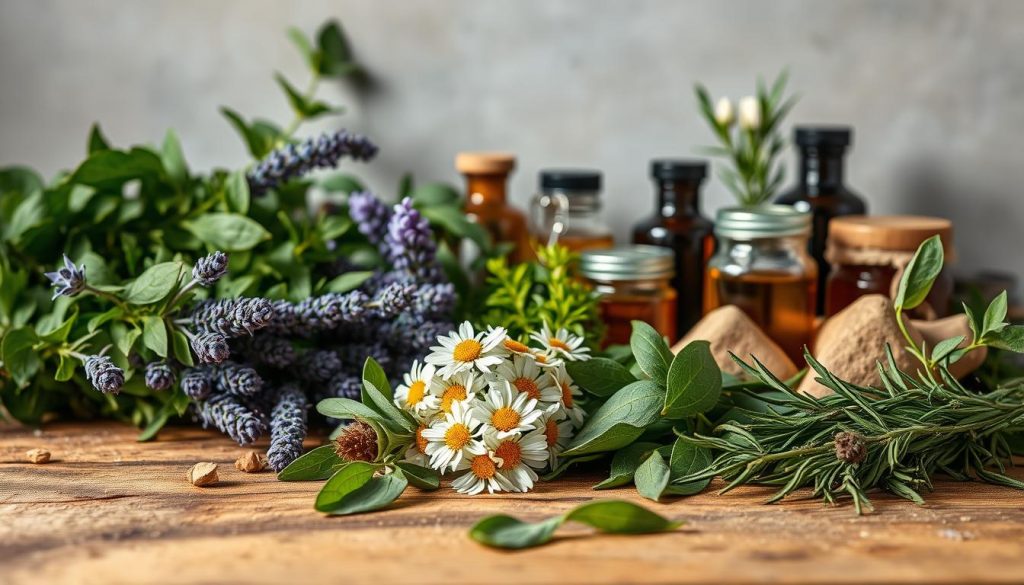
To maximize the benefits of adaptogenic herbs, it’s essential to understand how to use them effectively. This can involve consuming them as teas, tinctures, or capsules, and being mindful of the dosage and timing to suit individual needs.
Anti-inflammatory Herbs for Pain Relief
Anti-inflammatory herbs offer a natural solution for managing pain and inflammation. These herbs can be particularly beneficial for individuals seeking alternatives to conventional pain relief medications.
Turmeric, Ginger, and Boswellia
Turmeric contains curcumin, a compound known for its potent anti-inflammatory effects. Ginger has been used for centuries to relieve pain and reduce inflammation. Boswellia, also known as frankincense, is valued for its ability to reduce inflammation and promote healing.
Preparation Methods for Maximum Benefit
The way herbs are prepared can significantly impact their effectiveness. Techniques such as making teas, infusions, or salves can enhance the bioavailability of the active compounds in anti-inflammatory herbs.
Digestive Herbs for Gut Health
Digestive herbs play a crucial role in maintaining gut health and alleviating common digestive issues. These herbs can help soothe the digestive tract, reduce inflammation, and promote a healthy gut microbiome.
Peppermint, Fennel, and Chamomile
Peppermint is known for its ability to ease digestive discomfort and reduce symptoms of IBS. Fennel helps to reduce bloating and gas, while Chamomile soothes the digestive tract and promotes relaxation.
Creating Effective Digestive Formulas
Combining different digestive herbs can create effective formulas for addressing specific digestive issues. Understanding the properties of each herb and how they interact is key to creating beneficial blends.
Herbal Remedies for Respiratory Conditions
The power of herbal medicine is particularly evident in the treatment of respiratory conditions, where natural remedies can make a significant difference. Respiratory health is crucial for overall well-being, and herbal remedies offer a range of solutions for common issues like colds, flu, allergies, and chronic respiratory problems.
Natural Treatments for Common Colds and Flu
Common colds and flu are ubiquitous during certain times of the year, and herbal remedies can provide effective relief. Herbs like elderberry, echinacea, and thyme have been traditionally used to boost immunity and alleviate symptoms.
Elderberry, Echinacea, and Thyme Remedies
Elderberry is known for its antiviral properties, echinacea for its immune-boosting capabilities, and thyme for its antimicrobial effects. These herbs can be consumed as teas, tinctures, or syrups to help combat colds and flu.
- Elderberry syrup can be taken daily to prevent illness or used at the onset of symptoms to reduce severity.
- Echinacea tea can be consumed several times a day to boost the immune system.
- Thyme tea or tincture can help soothe a sore throat and reduce coughing.
Steam Inhalations and Herbal Syrups
Steam inhalations with herbs like eucalyptus or peppermint can help ease congestion, while herbal syrups made with honey and herbs like ginger or licorice root can soothe a sore throat and cough.
“Herbal medicine is not just about treating symptoms; it’s about supporting the body’s natural healing processes.” – Dr. herbal medicine specialist
Herbal Solutions for Allergies and Sinusitis
Allergies and sinusitis can significantly impact quality of life. Herbal remedies offer a range of solutions to alleviate symptoms and support respiratory health.
Nettle, Eyebright, and Butterbur Preparations
Nettle, eyebright, and butterbur are herbs known for their anti-inflammatory and anti-allergic properties. They can be used to reduce allergy symptoms and sinus pressure.
| Herb | Preparation | Benefit |
|---|---|---|
| Nettle | Tea or Tincture | Reduces allergy symptoms |
| Eyebright | Tea or Capsule | Soothes irritated eyes |
| Butterbur | Extract or Capsule | Relieves sinus pressure |
Herbal Nasal Rinses and Compresses
Herbal nasal rinses can help clear nasal passages, while compresses made with herbs like chamomile or calendula can soothe the face and reduce sinus pressure.
Remedies for Chronic Respiratory Issues
Chronic respiratory issues require long-term management. Herbal remedies can provide ongoing support and relief.
Mullein, Marshmallow Root, and Licorice Formulas
Mullein, marshmallow root, and licorice are herbs known for their soothing effects on the respiratory system. They can be used in formulas to help manage chronic conditions.
- Mullein tea can soothe a dry cough.
- Marshmallow root syrup can protect mucous membranes.
- Licorice root tea can reduce inflammation.
Long-term Herbal Support Strategies
Long-term use of herbal remedies requires careful consideration and planning. It’s essential to rotate herbs, monitor dosages, and consult with a healthcare professional to ensure safe and effective use.
Plant-Based Treatments for Digestive Ailments
The power of plants can be harnessed to soothe and heal digestive discomfort, providing relief from common ailments. Digestive health is crucial for overall well-being, and herbal remedies offer a natural and effective way to address various digestive issues.
Herbs for Indigestion and Bloating
Indigestion and bloating are common complaints that can significantly impact daily life. Certain herbs have been found to be particularly helpful in alleviating these symptoms.
Ginger, Caraway, and Lemon Balm Solutions
Ginger, with its anti-inflammatory properties, can help reduce nausea and inflammation in the digestive tract. Caraway seeds have been traditionally used to ease digestive discomfort, while lemon balm can soothe the stomach and reduce bloating.
Ginger Tea Recipe: Steep fresh ginger in boiling water for 5-10 minutes. Strain and drink after meals to aid digestion.
After-Meal Digestive Teas
Drinking a digestive tea after meals can help prevent indigestion and bloating. Herbs like peppermint, chamomile, and fennel are popular choices for their digestive benefits.
“A cup of peppermint tea after dinner can work wonders for digestion.”
Natural Remedies for IBS and Stomach Discomfort
Irritable Bowel Syndrome (IBS) is a chronic condition that requires a multifaceted approach to manage its symptoms. Herbal remedies can play a significant role in this management.
Slippery Elm, Marshmallow, and Aloe Vera Protocols
Slippery elm and marshmallow root are known for their soothing effects on the mucous membranes, reducing inflammation and discomfort. Aloe vera juice can also help calm the digestive tract and reduce symptoms of IBS.
| Herb | Benefits | Preparation |
|---|---|---|
| Slippery Elm | Soothes mucous membranes, reduces inflammation | Tea or capsules |
| Marshmallow Root | Protects and soothes the digestive tract | Tea or tincture |
| Aloe Vera | Calms the digestive tract, reduces IBS symptoms | Juice |
Gut-Healing Herbal Regimens
Establishing a gut-healing regimen involves not just treating symptoms but also promoting overall gut health. This can include a combination of dietary changes, stress management, and targeted herbal therapies.
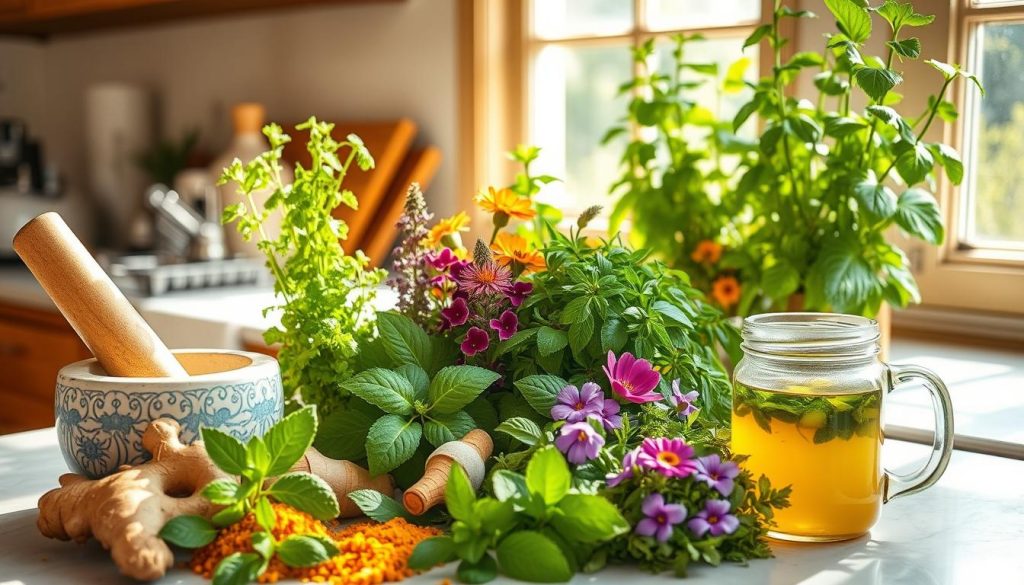
Herbal Support for Healthy Digestion
Maintaining healthy digestion is key to overall health, and certain herbs can provide ongoing support.
Bitters, Digestive Enzymes, and Probiotics
Bitter herbs like gentian can stimulate digestion, while digestive enzymes can help break down food more efficiently. Probiotics support the gut microbiome, enhancing immune function and digestive health.
- Gentian: Stimulates digestion
- Digestive Enzymes: Enhances nutrient absorption
- Probiotics: Supports gut microbiome
Preventative Herbal Strategies
Preventing digestive issues is as important as treating them. Incorporating certain herbs into your daily routine can help maintain digestive health and prevent common ailments.
Regular consumption of herbal teas, such as peppermint or chamomile, can be a simple yet effective preventative measure.
Creating and Using Herbal Preparations at Home
Embarking on the journey of creating herbal preparations at home can be a rewarding experience, allowing you to harness the power of nature for your well-being. With the right knowledge and tools, you can create effective remedies for various common ailments.
Sourcing Quality Herbs
The first step in making herbal preparations is sourcing high-quality herbs. This involves identifying reputable suppliers and understanding the differences between fresh and dried herbs.
Identifying Reputable Suppliers
When looking for suppliers, consider their reputation, customer reviews, and the quality of their products. Reputable suppliers will often provide detailed information about the origin and processing of their herbs.
Fresh vs. Dried Herbs Considerations
Both fresh and dried herbs have their advantages. Fresh herbs offer potency and flavor, while dried herbs provide convenience and a longer shelf life. The choice between them depends on the intended use and personal preference.
| Herb Type | Advantages | Disadvantages |
|---|---|---|
| Fresh Herbs | Potent, flavorful | Perishable, limited availability |
| Dried Herbs | Convenient, longer shelf life | May lose potency over time |
Essential Tools and Equipment
To make herbal preparations, you’ll need some basic tools and equipment. These can range from simple household items to specialized tools for more serious herbalists.
Basic Supplies for Herbal Preparation
Basic supplies include a scale, glass jars, cheesecloth, and a mortar and pestle. These tools are essential for measuring, storing, and processing herbs.
Investment Pieces for Serious Herbalists
For those who plan to continue making herbal remedies, investing in a herb grinder, tincture bottles, and a salve maker can be beneficial.
Making Tinctures, Teas, and Salves
Different herbal preparations serve various purposes. Tinctures are concentrated extracts, teas are soothing beverages, and salves are topical ointments.
Step-by-Step Tincture Instructions
To make a tincture, combine herbs with a solvent like alcohol or glycerin in a jar. Store it in a cool, dark place, shaking it daily for a few weeks.
Salve and Tea Preparation Techniques
For teas, simply steep dried or fresh herbs in hot water. For salves, mix herbal infusions with beeswax and oils, then pour into containers to solidify.
Proper Storage and Shelf Life
Proper storage is crucial to maintaining the potency and safety of herbal preparations.
Container Types and Storage Conditions
Use airtight containers and store them in cool, dark places. Glass jars are ideal for most preparations.
Recognizing When Remedies Have Expired
Check for signs of spoilage, such as mold, off smells, or changes in color and texture. Discard any remedies that show these signs.
Dosage Guidelines and Safety Precautions
Understanding the correct dosage and potential interactions is vital for safe and effective use of herbal remedies.
General Dosing Principles
Start with small doses and adjust as needed. Consult with a healthcare professional, especially if you’re taking other medications.
Important Warnings and Contraindications
Be aware of potential allergic reactions and interactions with other medications. Certain herbs are contraindicated during pregnancy or with specific health conditions.
Conclusion
As we’ve explored throughout this article, herbal healing remedies offer a natural and effective way to address common ailments. From understanding the science behind herbal medicine to creating your own herbal preparations at home, the world of herbal remedies is vast and accessible.
By incorporating herbal remedies for wellness into your daily routine, you can take a proactive approach to maintaining your health. Whether you’re looking to alleviate stress, soothe digestive issues, or simply boost your immunity, natural remedies like those discussed can be a valuable addition to your wellness toolkit.
As you continue on your journey to optimal health, consider exploring the many benefits of herbal medicine. With its rich history, natural ingredients, and holistic approach, herbal healing can be a powerful ally in achieving overall wellness. Start by experimenting with different herbal remedies and discover the positive impact they can have on your life.
FAQ
What are herbal healing remedies, and how do they work?
Herbal healing remedies are natural treatments derived from plants, used to prevent and treat various health conditions. They work by interacting with the body’s systems to promote balance and wellness, often with fewer side effects than conventional medications.
Are herbal remedies safe to use alongside conventional medications?
While herbal remedies can be safe, it’s crucial to consult with a healthcare professional before using them, especially if you’re taking conventional medications, as some herbs can interact with medications or exacerbate health conditions.
How do I choose the right herbal remedy for my condition?
To choose the right herbal remedy, consider your specific health needs, research the herb’s properties and potential interactions, and consult with a qualified healthcare practitioner or a certified herbalist for personalized guidance.
Can herbal remedies be used for chronic health issues?
Yes, herbal remedies can be used for chronic health issues, but it’s essential to work with a healthcare professional to develop a comprehensive treatment plan that incorporates herbal remedies safely and effectively.
How do I prepare herbal remedies at home?
To prepare herbal remedies at home, start by sourcing high-quality herbs from reputable suppliers, then follow proper preparation techniques, such as making tinctures, teas, or salves, and store them correctly to ensure potency and safety.
What are some common herbal remedies for digestive issues?
Common herbal remedies for digestive issues include ginger, peppermint, and chamomile for indigestion and bloating, as well as slippery elm and marshmallow root for soothing the digestive tract.
Can I use herbal remedies if I’m pregnant or breastfeeding?
Some herbal remedies are safe during pregnancy and breastfeeding, but others can be harmful. Always consult with a healthcare professional before using herbal remedies during these times to ensure safety for both mother and child.
How do I store herbal remedies to maintain their potency?
Store herbal remedies in a cool, dry place, away from direct sunlight and moisture, using airtight containers to preserve their potency and shelf life.