

Are you tired of living with persistent discomfort? Can simple, effective techniques really make a difference? For many, the answer is yes. Effective relief methods can significantly improve quality of life.
Discover the most effective approaches to alleviate discomfort and regain mobility. This article will explore various techniques, providing insights into their benefits and how to incorporate them into daily life.
Key Takeaways
Table of Contents
- Simple techniques can provide significant relief
- Various methods can be used to alleviate discomfort
- Improving mobility is achievable with the right approaches
- Effective relief methods can enhance overall well-being
- Practical tips will be provided to help you get started
Understanding the Root Causes of Joint Pain
Understanding the root causes of joint pain is crucial for finding effective relief and improving quality of life. Joint pain can manifest in different forms and can be triggered by a variety of factors, making it essential to identify the underlying cause to choose the most appropriate treatment.
Common Types of Joint Pain and Their Symptoms
Joint pain can be categorized into several types, including osteoarthritis, rheumatoid arthritis, and gout. Each type has distinct symptoms. For instance, osteoarthritis is characterized by wear and tear on the joints, leading to pain and stiffness, particularly after periods of rest. Rheumatoid arthritis, on the other hand, is an autoimmune condition that causes inflammation and pain in the joints, often accompanied by fatigue and fever. Gout results from uric acid crystal buildup, causing sudden, severe pain and swelling.
How Lifestyle Factors Contribute to Joint Discomfort
Lifestyle factors play a significant role in joint health. Being overweight can put additional strain on weight-bearing joints like the knees and hips. A diet high in processed foods and sugars can lead to inflammation, exacerbating conditions like arthritis. Lack of exercise or repetitive strain from certain activities can also contribute to joint discomfort. Conversely, incorporating regular exercise, maintaining a healthy weight, and consuming an anti-inflammatory diet can help mitigate joint pain.
| Lifestyle Factor | Impact on Joint Health |
|---|---|
| Being Overweight | Increased strain on weight-bearing joints |
| Diet High in Processed Foods | Increased inflammation |
| Lack of Exercise | Reduced joint mobility and strength |
By understanding these factors and making informed lifestyle choices, individuals can take significant steps towards alleviating joint pain and improving their overall well-being.
Joint Pain Relief Methods That Actually Work
Joint pain relief is not just about alleviating symptoms; it’s about adopting a holistic approach to joint pain relief that addresses the root causes of discomfort. By understanding the various evidence-based treatments available, individuals can make informed decisions about their care.

Evidence-Based Approaches to Managing Joint Pain
Several evidence-based approaches have been shown to be effective in managing joint pain. These include physical therapy, which can help improve joint mobility and strength, and medication, such as anti-inflammatory drugs, which can reduce pain and inflammation. According to a study published in a reputable medical journal, a combination of these treatments can lead to significant improvements in joint health.
“The key to effective joint pain management is a multi-faceted approach that incorporates both medical treatments and lifestyle changes,” says Dr. Jane Smith, a leading expert in rheumatology.
Distinguishing Effective Treatments from Marketing Hype
With the plethora of treatment options available, it can be challenging to distinguish between effective treatments and marketing hype. It’s essential to be cautious of treatments that seem too good to be true or those that lack scientific backing. When evaluating treatment options, look for managing joint discomfort naturally through methods that are supported by clinical evidence.
- Be wary of miracle cures or treatments that promise quick fixes.
- Consult with healthcare professionals before starting any new treatment.
- Look for treatments that are backed by scientific research and clinical trials.
By being informed and discerning, individuals can find effective joint pain relief methods that improve their quality of life.
Exercise and Movement Techniques for Joint Health
Regular exercise is a crucial component of maintaining healthy joints and alleviating joint pain. By incorporating the right exercises into your daily routine, you can strengthen the muscles around your joints, improve flexibility, and reduce discomfort.
Low-Impact Exercises That Strengthen Joints
Low-impact exercises are ideal for individuals with joint pain as they minimize stress on the joints while still providing numerous benefits. Examples include cycling, swimming, and elliptical trainer workouts. These exercises help strengthen the muscles around the joints without causing further irritation.
Proper Form and Technique to Prevent Further Damage
Using proper form and technique during exercise is vital to prevent further damage to your joints. It’s essential to learn how to perform exercises correctly to avoid putting unnecessary strain on your joints. Consider consulting with a physical therapist or fitness professional to guide you in developing a safe and effective exercise routine.
Creating a Joint-Friendly Exercise Routine
When creating an exercise routine for joint health, it’s crucial to start slowly and gradually increase intensity and duration. Incorporate a mix of strengthening exercises, flexibility exercises, and low-impact aerobics to keep your joints healthy and strong. As Dr. James Levine, a renowned expert in the field of exercise and health, once said,
“Movement is a medicine for creating change in a person’s physical, emotional, and mental states.”
Dietary Approaches to Reduce Joint Inflammation
The food we eat has a profound impact on our joints, and adopting an anti-inflammatory diet can be a game-changer for those suffering from joint pain. By making informed dietary choices, individuals can significantly alleviate joint discomfort and improve their overall quality of life.
Anti-Inflammatory Foods That Support Joint Health
Incorporating anti-inflammatory foods into one’s diet is a crucial step towards reducing joint inflammation. Foods rich in omega-3 fatty acids, such as salmon and sardines, are known for their anti-inflammatory properties. Additionally, consuming a variety of fruits and vegetables, particularly those high in antioxidants like berries and leafy greens, can help combat inflammation.

Supplements Proven to Alleviate Joint Discomfort
While a balanced diet is essential, certain supplements can provide additional support for joint health. Glucosamine and chondroitin are popular supplements that have been shown to alleviate joint pain and improve joint function. Omega-3 fatty acid supplements can also be beneficial for those who do not consume enough through their diet.
Foods to Avoid That May Worsen Joint Pain
Just as some foods can help alleviate joint pain, others can exacerbate it. Foods high in sugar and refined carbohydrates can trigger inflammation, as can processed meats and foods high in saturated and trans fats. Being mindful of these dietary triggers can help individuals make better choices to support their joint health.
| Food Category | Examples | Impact on Joint Health |
|---|---|---|
| Anti-Inflammatory Foods | Salmon, Berries, Leafy Greens | Reduces inflammation, supports joint health |
| Pro-Inflammatory Foods | Sugary Snacks, Processed Meats, Refined Carbohydrates | Increases inflammation, worsens joint pain |
| Beneficial Supplements | Glucosamine, Chondroitin, Omega-3 Fatty Acids | Alleviates joint pain, improves joint function |
Physical Therapy and Manual Techniques
Physical therapy and manual techniques offer a promising approach to alleviating joint pain. These methods focus on improving joint mobility, reducing stiffness, and enhancing overall physical function.
Professional Treatments Worth Considering
Several professional treatments can provide significant relief. Physical therapy sessions often include customized exercise programs, manual therapy, and education on proper body mechanics to reduce strain on joints. Techniques such as joint mobilization and soft tissue mobilization can be particularly effective.
- Joint mobilization to improve range of motion
- Soft tissue mobilization to reduce muscle tension
- Customized exercise programs to strengthen surrounding muscles
Self-Massage and Pressure Point Techniques
In addition to professional treatments, self-massage and pressure point techniques can be valuable tools for managing joint pain. Simple self-massage techniques can help reduce muscle tension around the affected joint, while pressure point therapy can target specific areas of discomfort.
By incorporating these methods into a daily routine, individuals can experience improved joint mobility and reduced pain. It’s essential to learn proper techniques from a healthcare professional to maximize benefits and minimize the risk of further injury.
Heat, Cold, and Other Home Remedies
For those suffering from joint pain, exploring home remedies like heat, cold, and topical solutions can be a crucial step towards finding relief. These methods are not only easily accessible but also offer a holistic approach to managing joint discomfort.
When to Use Heat vs. Cold Therapy
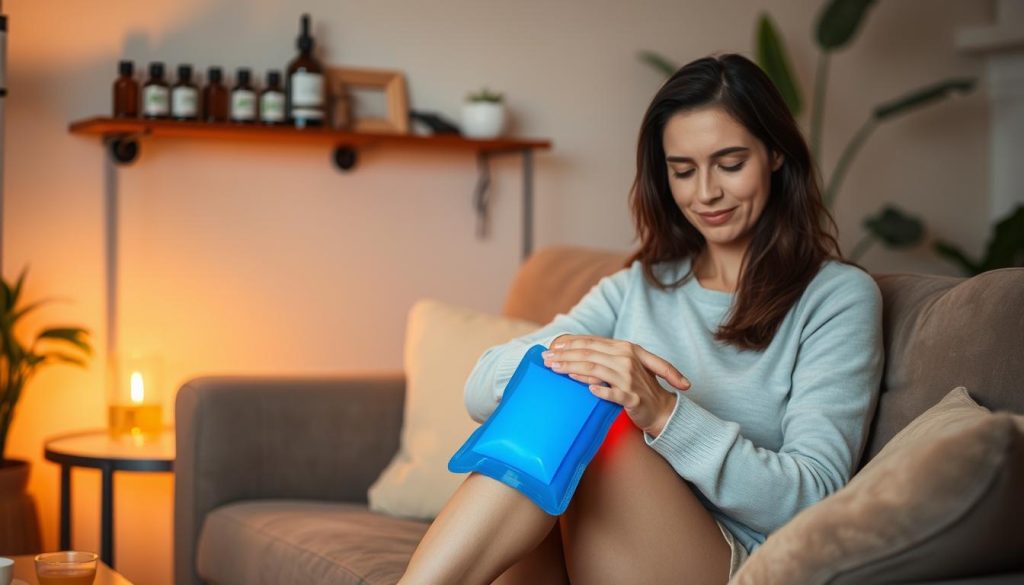
Heat therapy, such as using a warm bath or a heating pad, can help relax muscles and increase blood flow to the affected area, reducing stiffness. On the other hand, cold therapy, like applying an ice pack, can help reduce inflammation and numb the pain. Understanding when to use each is key to effective relief.
Natural Topical Solutions for Joint Pain
Natural topical solutions, including creams and gels containing capsaicin or arnica, can provide localized relief. These products work by either reducing pain or counterirritating the area, offering a temporary reprieve from discomfort.
Assistive Devices That Reduce Joint Strain
Using assistive devices such as canes, walkers, or ergonomic tools can significantly reduce strain on joints, thereby alleviating pain. These devices help in redistributing weight and minimizing the stress on affected joints, making daily activities more manageable.
By incorporating these home remedies into a daily routine, individuals can adopt a more comprehensive approach to managing joint pain, enhancing their overall quality of life.
Conclusion: Creating Your Personalized Joint Pain Management Plan
Effective joint pain management involves a comprehensive approach that incorporates lifestyle changes, exercise, dietary modifications, and professional treatments. By understanding the root causes of your joint pain and exploring proven solutions, you can develop a personalized plan to alleviate discomfort and improve your quality of life.
Managing joint discomfort naturally requires a multi-faceted strategy. This includes incorporating low-impact exercises, such as yoga or swimming, to strengthen joints and improve flexibility. Dietary changes, like consuming anti-inflammatory foods and avoiding triggers, can also help reduce joint inflammation.
Proven solutions for joint pain relief include physical therapy, manual techniques, and heat or cold therapy. By combining these approaches and working with healthcare professionals, you can create a tailored plan to address your specific needs and achieve lasting relief.
By taking a proactive and informed approach to managing joint pain, you can regain control over your life and enjoy improved overall well-being.
FAQ
What are the most effective joint pain relief methods?
Effective joint pain relief methods include a combination of evidence-based approaches such as exercise, physical therapy, and dietary changes. Some of the most effective methods include low-impact exercises, anti-inflammatory diets, and manual techniques like massage and physical therapy.
How can I manage joint discomfort naturally?
Managing joint discomfort naturally can be achieved through a holistic approach that includes a balanced diet, regular exercise, and stress management. Incorporating anti-inflammatory foods, omega-3 rich foods, and antioxidants can help alleviate joint pain. Additionally, trying natural remedies like turmeric, ginger, and willow bark can provide relief.
What are some non-invasive joint pain relief options?
Non-invasive joint pain relief options include heat and cold therapy, topical creams and ointments, and assistive devices like canes and walkers. Physical therapy and manual techniques like massage and joint mobilization can also be effective in reducing joint pain without surgery or medication.
Can diet really make a difference in joint pain relief?
Yes, diet plays a significant role in joint pain relief. Consuming anti-inflammatory foods, avoiding pro-inflammatory foods, and staying hydrated can help alleviate joint pain. Foods rich in omega-3 fatty acids, antioxidants, and fiber can help reduce inflammation and promote joint health.
Are there any supplements that can help alleviate joint discomfort?
Certain supplements like glucosamine, chondroitin, and omega-3 fatty acids have been shown to alleviate joint discomfort. However, it’s essential to consult with a healthcare professional before adding any supplements to your regimen, as they may interact with medications or have side effects.
How can I create a joint-friendly exercise routine?
Creating a joint-friendly exercise routine involves incorporating low-impact exercises like yoga, swimming, or cycling, and avoiding high-impact activities that can exacerbate joint pain. It’s also essential to warm up before exercising, use proper form and technique, and listen to your body to avoid overexertion.